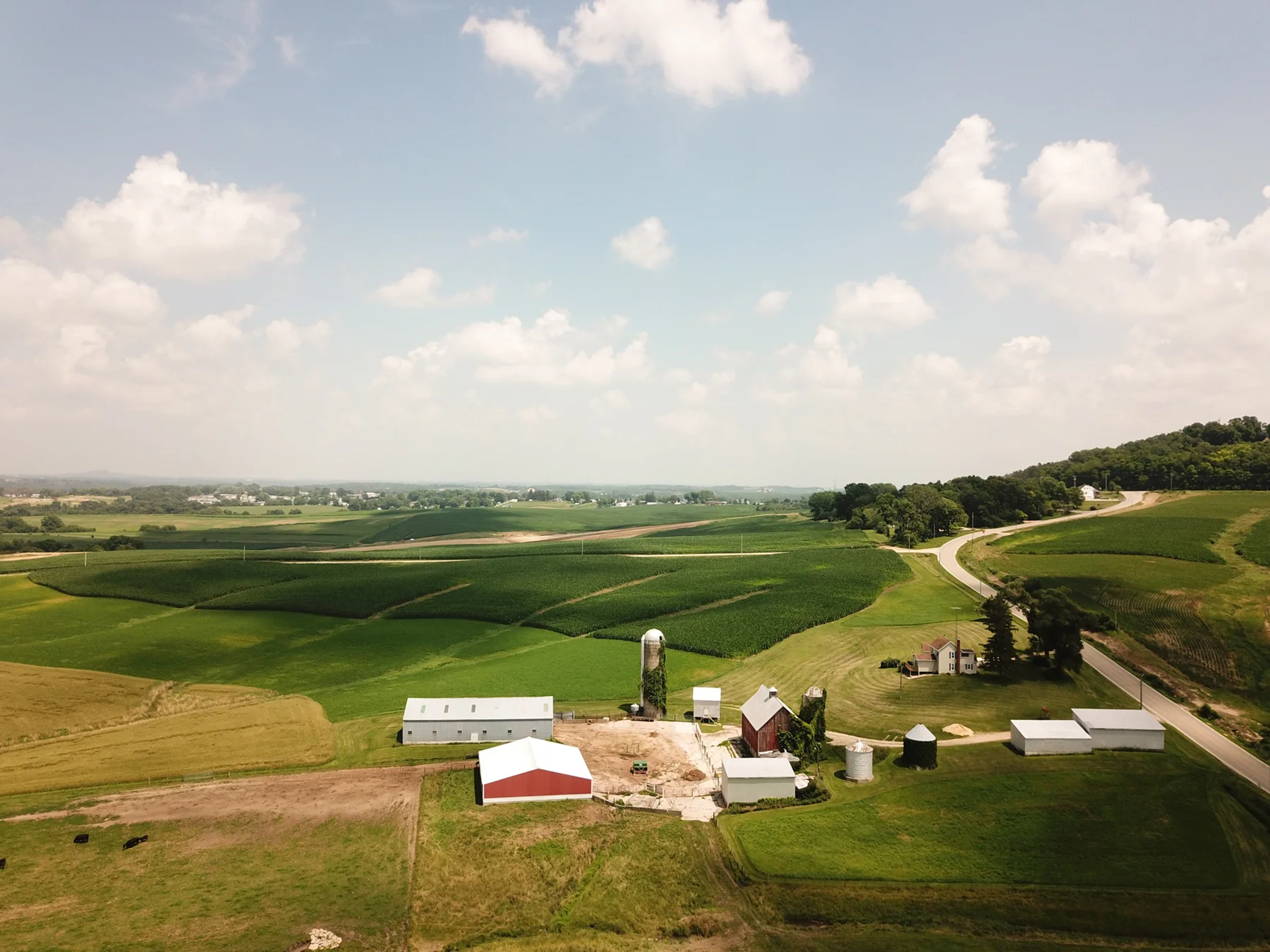
It is hot in Iowa right now.
Not pleasant summer hot. Not “let’s eat dinner on the patio” hot. It is the kind of heat where stepping outside feels like being wrapped in a warm, wet towel.
Temperature alone doesn’t explain it. Humidity interferes with the evaporation of sweat, which is one of the primary ways the body releases heat. That is why 90 degrees in Iowa can feel substantially worse than the same temperature somewhere dry. The National Weather Service combines temperature and humidity into the heat index because the number on the thermometer doesn’t tell the whole miserable story. Direct sunlight can make the apparent temperature feel another 15 degrees hotter. (National Weather Service)
This weather affects more than comfort. It changes heart rate, workout performance, hydration, appetite, digestion, sleep, recovery, and sometimes body weight.
Your body is working harder simply to keep its internal temperature under control. Your fitness plan needs to account for that.
Your Usual Workout Is Now a Different Workout
Exercise produces heat. On a cool day, your body can release much of it without too much trouble. In hot, humid conditions, that job becomes considerably harder.
More blood gets sent toward the skin to release heat. You sweat more. Your heart rate rises to keep blood moving between your working muscles and the surface of your body. The same running pace, bike ride, landscaping project, or outdoor workout can therefore produce a higher heart rate and feel substantially harder. (American College of Sports Medicine)
This is not evidence that you suddenly became unfit.
It means the environment changed the dose.
If you normally run at a ten-minute-mile pace but need to slow down when the heat index reaches 100, slow down. Use your breathing, heart rate, and perceived effort to govern the workout instead of defending a pace that was established under completely different conditions.
The body doesn’t care what pace was written in your training plan.
During severe heat, adjust one or more of the following:
Move outdoor workouts to the morning or evening.
Shorten the workout.
Reduce the pace, load, or number of sets.
Extend rest periods.
Move cardio indoors.
Replace a run with walking, cycling, swimming, or another manageable option.
Split one long session into two shorter bouts.
Take additional cooling and hydration breaks.
You aren’t required to prove your toughness to the atmosphere. Maintaining the training habit with a lower dose is more useful than turning one heroic workout into three days of exhaustion.
It also takes time to acclimate. Gradual exposure over roughly one to two weeks can improve the body’s ability to tolerate exercise in the heat. That process works best when exposure increases progressively, not when you attempt to defeat July through one weekend outside.
Hydration Requires More Attention, Not More Theater
You do not need an $8 fluorescent electrolyte potion because you walked from Target to your car.
Most people completing ordinary indoor workouts can continue drinking water and eating their normal meals. Food supplies sodium, potassium, carbohydrates, and other nutrients perfectly well.
Longer outdoor sessions are different. If you are exercising, golfing, working outside, running, cycling, or sweating heavily for several hours, replacing electrolytes becomes more relevant. The CDC recommends water for shorter periods of moderate work in the heat and a balanced electrolyte drink when sweating continues for several hours. (CDC heat-stress recommendations)
A practical approach:
Begin the day hydrated instead of trying to repair the problem halfway through a workout.
Keep water visible and available.
Drink regularly during prolonged outdoor activity.
Include normal salted meals unless you’ve been told to restrict sodium.
Consider an electrolyte drink during long, sweaty sessions.
Use light-yellow urine as a rough hydration check.
Replace fluids after the workout instead of assuming the job ended when the exercise did.
More is not automatically better. Excessive water intake can dilute blood sodium, particularly during long endurance events. Hydration is a replacement problem, not a gallon-jug competition.
Sweat losses also vary enormously. Some people finish a workout looking mildly dewy. Others look like they were pulled from a retention pond.
If you want a more individualized estimate, weigh yourself before and after a long workout under similar conditions. A large immediate drop mostly reflects water loss, not miraculous fat loss. Drink, eat, recover, and expect some of that weight to return.
The Scale May Get Weird
Hot weather can produce scale fluctuations in both directions.
A long, sweaty workout may temporarily lower body weight. That is water leaving the body, not pounds of body fat evaporating into the Iowa sky.
Later, increased fluid intake, salty meals, restaurant food, travel, inflammation from hard activity, and changes in carbohydrate intake can move weight back up. That isn’t sudden fat gain either.
Continue tracking trends under reasonably consistent conditions. Don’t construct an emotional biography around one morning’s weigh-in.
Appetite Often Changes in the Heat
Many people notice that heavy meals become less appealing when it is extremely hot. Research suggests that hot conditions can produce a modest reduction in food intake, although the effect varies between individuals. (Review of seasonal energy intake)
The problem is that reduced appetite doesn’t necessarily reduce your nutritional needs.
You still need protein to maintain muscle and support recovery. You still need carbohydrates if you’re training. You still need fruits, vegetables, fiber, and enough total energy to function like an adult rather than a haunted desk lamp.
When appetite is low, make the food easier to eat:
Greek yogurt, fruit, and cereal
Protein shakes or smoothies
Cold sandwiches and wraps
Cottage cheese and fruit
Rotisserie chicken with bagged salad
Pasta salad with lean protein and vegetables
Overnight oats
Cold rice or grain bowls
Watermelon, berries, oranges, cucumbers, and other high-water produce
Fairlife or another convenient protein drink
Smaller meals spread across the day
Cold food still counts as food. Dinner does not have to be a steaming chicken breast beside hot broccoli while your kitchen resembles a Turkish bath.
Macro tracking can be particularly helpful here. Appetite becomes a less reliable guide during extreme weather, so your numbers can reveal that you have eaten 63 grams of protein and called it a day because chewing felt exhausting.
If you know your appetite disappears in the afternoon, eat more protein and total food earlier. Meal timing is adjustable. Your nutritional needs don’t have to be divided evenly to satisfy some imaginary panel of meal-distribution judges.
Be Careful With Alcohol
Cold beer tastes unusually convincing when it is 95 degrees outside. Unfortunately, alcohol adds another recovery demand while potentially worsening dehydration and sleep.
That doesn’t mean nobody can drink during the summer. It means drinking after golfing for five hours in extreme heat is a different physiological situation than having a drink with dinner inside an air-conditioned restaurant.
Eat first. Alternate with water. Replace what you lost. Consider having fewer drinks when heat exposure has already beaten the hell out of you.
Alcohol within 24 hours of strenuous work in the heat may increase heat-illness risk, according to CDC occupational guidance. (CDC hydration guidance)
Heat Can Ruin Sleep Before Tomorrow Even Starts
Sleep requires the body to release heat. A hot bedroom makes that process harder and can increase wakefulness while reducing restorative slow-wave and REM sleep. (Review of temperature and sleep)
That means the heat can affect tomorrow’s workout before tomorrow arrives.
A few useful adjustments:
Block sunlight from heating the bedroom during the day.
Use air conditioning, fans, or both to cool the room before bed.
Choose lighter bedding and sleepwear.
Move intense evening exercise earlier when possible.
Take a cool or lukewarm shower after late outdoor activity.
Finish rehydrating gradually instead of chugging a lake immediately before bed.
Limit alcohol, especially after long heat exposure.
Keep pets from forming a 200-pound golden-retriever furnace against your legs.
If sleep has been poor for several nights, reduce training volume or intensity. Heat stress plus sleep deprivation plus a hard workout is not some elite recovery stack. It is just three stressors wearing a trench coat.
Know When to Stop
Some discomfort is normal during hot-weather exercise. Certain symptoms are warning signs.
Heavy sweating, weakness, dizziness, headache, nausea, cramps, faintness, and unusually severe fatigue can indicate heat exhaustion. Stop the activity, move somewhere cool, begin cooling down, and replace fluids.
Confusion, slurred speech, loss of consciousness, seizures, or a very high body temperature can indicate heat stroke. Heat stroke is an emergency: call 911 and begin cooling the person immediately. Do not leave them alone. (CDC heat-illness guidance)
Fitness does not make anyone immune. In fact, motivated people sometimes get into trouble because they are practiced at ignoring discomfort.
There is a difference between tolerating effort and ignoring a failing cooling system.
In Five Months, I’ll Give You the Opposite Advice
I’m already mentally preparing the companion article to this one.
In about five months, Iowa will present the opposite problem in the exact same environment. It will be cold, dark, and dreary. The sun will disappear at an unreasonable hour, outdoor movement will become less appealing, and staying inside will feel like the only sensible response.
Summer suppresses some people’s appetites and pushes them toward cold, lighter foods. Winter comes with a food holiday nearly every month. Our culture handles cold weather with warm food, overconsumption, and sedentism. We gather indoors, eat things containing several forms of cheese, and wait for spring.
So the plan will have to change again.
I keep a small sun-emulating light next to my treadmill to make indoor walking less bleak. I also have a 1986 spin bike in my basement that gets used whenever I need a large heart-rate bump or somewhere productive to put a pile of emotions. It is not technologically advanced. I’m not sure it knows technology has advanced.
Those tools solve a winter problem. Right now, the treadmill, basement bike, and air conditioning solve a summer problem too.
That is the larger lesson: there is no single routine that perfectly survives an Iowa calendar. The same person, in the same house, with the same goals, may need opposite strategies six months apart.
In July, I may shorten outdoor sessions, eat colder food, deliberately protect my protein intake, and keep the bedroom cool.
In January, I may seek light, schedule indoor movement, make lower-calorie warm meals, and watch the slow accumulation of holiday food that somehow begins with football season and ends around Easter.
Consistency does not require doing the same thing all year. It requires recognizing the problem the current environment is creating and building around it.
Adjust the Plan Without Abandoning It
The objective during extreme heat is not to reproduce your perfect spring routine under hostile environmental conditions.
The objective is to keep doing enough.
Train earlier. Slow down. Lift indoors. Walk for 20 minutes instead of running for 45. Eat cold meals. Track your protein when your appetite disappears. Drink water before you feel like a raisin. Cool the bedroom. Sleep more when the heat has increased your recovery needs.
Then, when winter arrives, adjust everything again.
Health does not happen in a climate-controlled laboratory. It has to survive heat waves, darkness, holidays, humidity, snow, work, travel, bad sleep, and whatever fresh nonsense life introduces next.
A sustainable plan responds to reality.
Iowa will eventually stop feeling like Satan’s greenhouse. Then it will become a frozen parking lot before the sun sets at 4:45.
The skill is not finding one perfect routine that defeats both. The skill is changing the dose, changing the tools, and keeping the continuity.
References
National Weather Service. Heat Forecast Tools: Heat Index, Wet Bulb Globe Temperature, and HeatRisk
American College of Sports Medicine. Exercising in Hot and Cold Environments
National Institute for Occupational Safety and Health. Workplace Recommendations for Heat Stress
National Institute for Occupational Safety and Health. Heat Stress: Hydration
Fujihira K, Takahashi M, and colleagues. Factors Explaining Seasonal Variation in Energy Intake: A Review. Frontiers in Nutrition, 2023.
Okamoto-Mizuno K, Mizuno K. Effects of Thermal Environment on Sleep and Circadian Rhythm. Journal of Physiological Anthropology, 2012.
National Institute for Occupational Safety and Health. Heat-Related Illnesses: Symptoms and First Aid